The post Exploring Notable Cannabis Terpenes: Nerolidol appeared first on Highgrade Labs.
]]>Would you believe us if we told you they actually play more of a role on how “high” you get from a strain than the actual THC percentage? As we delve into the intricate world of terpenes, our focus will be on Nerolidol.
Follow along to learn about this incredible compound!
Understanding Terpenes
A few months ago, we explored cannabis terpenes benefits and their effects, but for the purpose of our blog today, let’s do a little review. Terpenes contribute not only to the captivating scents and flavors of different strains but also play a crucial role in shaping the overall cannabis experience.
As terpenes actively engage with other cannabinoids within the cannabis plant, a symphony of effects begins to roll out, influencing the effects of each cannabinoid to expand in the presence of the others. This is called the entourage effect.
For instance, experts have renowned myrcene for its potential sedative effects, while limonene may offer uplifting and mood-enhancing qualities. When either of these are in the presence of the other, each of their qualities will amplify.
Additionally, various plants, not just cannabis, contain these organic compounds, contributing to the diverse array of fragrances in nature. As we unravel the intricacies of terpenes, we gain a deeper understanding of how these compounds contribute to the holistic nature of the cannabis plant, elevating the sensory experience and influencing the therapeutic effects users may seek.
What is Nerolidol?
Among the diverse array of terpenes found in cannabis, nerolidol stands out as a compelling and versatile and unique ‘sesquiterpene,’ which essentially is a derivative of a terpene.
Its presence also extends beyond the cannabis plant; it naturally appears in various botanical sources, such as ginger, jasmine, and tea tree. What distinguishes nerolidol is its subtly sweet and floral aroma, contributing a unique layer to the olfactory profile of certain cannabis strains.
As a sesquiterpene, nerolidol showcases its complexity by offering more than just a pleasant scent. This terpene has piqued the interest of researchers and enthusiasts alike for its potential therapeutic properties, which we’ll be diving into next.
Therapeutic Properties
Nerolidol is truly one of the most dynamic terpenes when it comes to its therapeutic potential.
According to the National Library of Medicine, “To date, various pharmacological and biological activities of nerolidol have been reported such as antimicrobial, anti-biofilm, anti-oxidant, anti-parasitic, skin-penetration enhancer, skin-repellent, anti-nociceptive, anti-inflammatory and anti-cancer.”
Additionally, nerolidol is known to offer therapeutic benefits for:
- Skin lesions
- Anxiety
- Sedation
Pretty incredible, right? Nerolidol is without a doubt one of our favorite terpenes for the very reason of how dynamic it truly is.
How Nerolidol Strengthens in the Presence of Other Cannabinoids
We briefly spoke about the entourage effect earlier in this blog, but let’s dive into this subject a layer deeper. Research suggests that nerolidol, when accompanied by other popular cannabinoids such as CBD and THC, may be strengthened and diversified in its potential benefits.
One aspect where this synergy is particularly notable is in the potential sedative properties of nerolidol when combined with THC in particular.
This intricate dance of compounds within the entourage effect not only enhances nerolidol’s therapeutic potential – but also contributes to the overall complexity and depth of the cannabis experience.

Cannabis Strains Rich in Nerolidol
For those seeking the benefits of this terpene, here are some of our favorite nerolidol-rich cannabis strains:
- Jack Herer: A sativa-dominant hybrid with a spicy, piney aroma, Jack Herer offers an uplifting and creative buzz inspired by the renowned cannabis activist.
- Blue Dream: A well-balanced sativa-dominant hybrid, Blue Dream delights users with a sweet blueberry scent and gentle euphoria, making it a versatile and popular choice.
- Black Lime Reserve: An indica-leaning hybrid with a mysterious lineage, Black Lime Reserve boasts a unique blend of citrusy lime and earthy flavors, delivering relaxing and sedative effects.
- Chemdawg: An indica-dominant hybrid with a potent diesel aroma, Chemdawg is renowned for its strong euphoria and deep relaxation potential, making it a classic and powerful strain.
- Island Sweet Skunk: A sativa-dominant hybrid originating from Canada, Island Sweet Skunk provides an energizing and creative experience, complemented by its tropical and fruity aroma.
- Skywalker OG: An indica-dominant hybrid named after Star Wars lore, Skywalker OG delivers a strong body high with a pungent, earthy aroma, ideal for relaxation and stress relief.
So there you have it, folks! We hope you enjoyed this blog on the nortable terpene, nerolidol. Did you know that Highgrade Labs is one of the only labs in the country that can analyze 42 different terpenes in the flower and concentrate products? It’s true!
We currently offer testing for flower, concentrates, and infused products.
Be sure to reach out to us through our contact page (click here for Oklahoma, here for Maryland, and here for New Jersey).
*The contents of this blog are intended for informational purposes only. Always seek the advice of a physician or other qualified healthcare provider with any questions you may have regarding a medical condition.*
The post Exploring Notable Cannabis Terpenes: Nerolidol appeared first on Highgrade Labs.
]]>The post Cannabis Compliance in Maryland: An Overview appeared first on Highgrade Labs.
]]>
However, navigating the legal landscape can prove to be challenging. In this blog, our goal is not just to inform but to demystify the complexities of cannabis compliance.
Licensing Requirements for Cannabis Businesses
Maryland’s cannabis industry offers diverse business opportunities, each requiring specific licensing. The types of licenses available reflect the various facets of the industry, including cultivation, processing, dispensary, and distribution licenses.
Additionally, unique licenses, such as those for on-site consumption and incubator models, cater to specific niches within the market. Understanding the scope and requirements of each license type is the first step for entrepreneurs looking to enter Maryland’s cannabis industry.
This diversity in licensing ensures that the market accommodates various business models, fostering innovation and growth within the industry.
Taxation and Financial Regulations
Navigating the taxation landscape for cannabis sales in Maryland is crucial for both consumers and businesses. As of now, adult-use cannabis products in the state are subject to a 9% sales tax, aligning with the taxation level of alcohol. Understanding these tax obligations is essential for consumers to anticipate the cost of purchases and for businesses to ensure compliance with state financial regulations.
Banking and Financial Transactions Guidelines
The financial aspect of cannabis sales in Maryland, particularly in terms of banking and transactions, is a complex field due to the interplay of state legality and federal restrictions. Despite cannabis being legal in Maryland, it remains illegal under federal law, which can pose challenges for cannabis businesses in accessing traditional banking services.
This situation requires a keen understanding of the cannabis industry, ensuring businesses operate within the legal framework while navigating the limitations imposed by federal laws.
Record-Keeping and Financial Reporting Requirements
For cannabis businesses in Maryland, meticulous record-keeping and financial reporting are not just best practices but legal necessities. Maintaining accurate records of sales, purchases, and financial transactions is imperative.
This level of diligence aids in compliance with state regulations, helps in accurate tax reporting, and is essential for any potential audits or regulatory reviews. Plus, it allows you to track your business’s growth and financial health accurately.
Operational Compliance Standards
In the realm of cannabis operations in Maryland, prioritizing product quality and safety is not just a business choice – it’s a regulatory mandate. Ensuring that your products meet stringent quality control standards is central to maintaining public trust and safety. This includes regular testing for contaminants and consistency in potency.
This way, consumers receive products that are beneficial, predictable, and safe for consumption. For businesses, this means investing in quality control systems and staying ahead of the latest safety requirements and best practices in product handling and preparation.
Packaging and Labeling Regulations
Packaging and labeling in the cannabis industry support compliance and communication with consumers. Maryland’s state regulations stipulate specific requirements for how cannabis products must be packaged and labeled. This includes clearly labeling THC content, health warnings, and product origin information. Moreover, child-resistant packaging is a critical component designed to prevent accidental ingestion by minors.

Security Measures and Inventory Control
Security and inventory control are the cornerstones of operational compliance in Maryland’s cannabis industry. Stringent security measures are required to prevent unauthorized access to cannabis products in-store and during transportation. These measures include surveillance systems, secure storage solutions, and employee training on handling security protocols effectively.
Inventory control, on the other hand, is about making sure the movement of every cannabis product is accurately tracked and recorded. This is crucial for multiple reasons: it prevents products from getting onto the black market, ensures accurate reporting for taxation and regulatory purposes, and helps identify and promptly address any discrepancies.
The Importance of Lab Testing in Cannabis Compliance in Maryland
The legal landscape of Maryland’s cannabis industry may change, but one thing remains the same: lab testing is a crucial pillar of compliance and safety. Lab testing rigorously checks for contaminants such as pesticides, heavy metals, and molds, which are critical for consumer health. By identifying these harmful substances, labs play a vital role in preventing potentially hazardous products from reaching the market.
Accurate testing is vital for determining the potency of cannabis products, ensuring they deliver the expected effects without overpowering the consumer. This is especially important for medical cannabis users who rely on precise dosages for their treatments.

Maryland’s cannabis regulations mandate strict lab testing to ensure all products in the market comply with state laws. Labs help businesses stay compliant, avoid legal pitfalls, and maintain operational licenses. Additionally, in an industry where trust is paramount, lab testing assures consumers of the product’s safety and quality, which allows you to build and maintain consumer confidence.
For Premier Cannabis Lab Testing Services in Maryland, Partner with Highgrade Labs!
For cannabis businesses in Maryland, partnering with a reliable and experienced lab is a strategic step toward ensuring compliance and product excellence. Highgrade Labs, with our state-of-the-art testing facilities and expert team, is a premier choice for businesses seeking thorough and accurate cannabis testing services.
We offer comprehensive cannabis lab testing solutions tailored to Maryland’s regulatory requirements. By leveraging advanced technology and scientific expertise, we provide detailed analysis and reporting, ensuring that your products meet all safety standards and potency specifications.
If you’re a cannabis business looking to excel in Maryland’s competitive market, contact our Maryland lab today! Experience the peace of mind that comes with knowing your products are safe, compliant, and of the highest quality.
*The contents of this blog are intended for informational purposes only. Always seek the advice of a physician or other qualified healthcare provider with any questions you may have regarding a medical condition.*
The post Cannabis Compliance in Maryland: An Overview appeared first on Highgrade Labs.
]]>The post Learning About the Importance of Flavonoids in Cannabis appeared first on Highgrade Labs.
]]>What Exactly Are Flavonoids?
You’ve likely heard of cannabinoids and terpenes, two major players in defining the entourage effect of cannabis. However, there’s another cast member, eager to have its moment under the botanical spotlight. Please welcome to center stage, Flavonoids!
Flavonoids might not have the fame of cannabinoids like THC or CBD, nor the immediate recognition of the aromatic terpenes, but these modest compounds are integral to the cannabis experience and, in fact, much of our daily diet.
Found across the natural world in a myriad of fruits and vegetables, flavonoids are the creative artists behind the vibrant colors that make our salads pop and our fruit bowls shine. They take the mundane and make it majestic, adding shades of yellow, blue, red and purple to our food.

But flavonoids are much more than nature’s coloring book. They are also responsible for the distinctive, diverse flavors that make every bite and sip different from the last. Whether it’s the bitterness in your favorite dark chocolate or the sweet tang of your morning citrus fruit, there’s a flavonoid working behind the scenes to delight your taste buds.
While flavonoids are not exclusive to cannabis, their role in the plant is just as important as their functions elsewhere. As part of the trinity of compounds – along with cannabinoids and terpenes – they shape the end-user’s cannabis experience in a significant way.
In the cannabis plant, flavonoids are the quiet background singers, not hitting the high notes but adding depth, bringing out the unique undertones and nuances that differentiate one strain from another. They’re the unseen directors guiding the spotlight onto the broader, more theatrical performances of the cannabinoids and terpenes.
Flavonoids and the Cannabis Experience
Despite making up a seemingly small 10% of the known compounds in a cannabis plant, flavonoids pack a mighty punch, swaying the cannabis experience more than you would ever guess!
Flavonoids’ secret lies in their knack for synergistic interactions. Nay, they aren’t the unsocial compounds tucked away in the corners of a cannabis party! Instead, they mingle vibrantly with other substances, infusing the cannabis strain with that distinctive aroma and flavor. Think of the floral undertones that enhance your favorite strain or the fruity hint that adds subtlety to your cannabis-infused tea – you have flavonoids to thank for this.
Now, before you start imagining flavonoids as just skilled party planners, think again. They’re akin to diligent health warriors, wielding shields packed with potential therapeutic effects. Behind the scientific jargon of ‘anti-inflammatory’ and ‘antioxidant’ properties, flavonoids are here helping combat cell damage, proactively reducing inflammation, and acting as comforting companions in your journey to manage chronic pain. Simply put, they are your cannabis plant’s unsung heroes!
Flavonoids Found in the Cannabis Plant: Spectrum of Nature’s Ingenuity
Here is a highlight of some prominent cannabis flavonoids:
- Cannflavin A & B
Distinct to cannabis, Cannflavins A and B show potential as anti-inflammatory agents, becoming a subject of substantial scientific interest. - Apigenin
Found in parsley and chamomile as well as cannabis, Apigenin is gaining attention for its potential anti-inflammatory, antioxidant, and anticancer properties. - Quercetin
This is another flavonoid not exclusive to cannabis. As a powerful antioxidant, Quercetin may help mitigate potential damage caused by free radicals in the body. - Kaempferol
Part of the dietary flavonoid family, Kaempferol appears in many fruits and vegetables. Initial research suggests it may hold potential health benefits due to its antioxidant properties. - Catechins
Also found in foods like tea and berries, Catechins have demonstrated potential as antioxidants and are mentioned for their potential contributions to cardiovascular health. - Luteolin
Present in many herbs, vegetables, and fruits apart from cannabis, Luteolin may possess anti-inflammatory and antioxidant properties, shaping an exciting area of scientific research. - Orientin
Not exclusive to cannabis, Orientin is being studied for its potential antioxidant properties and capabilities to induce cellular repair and recovery.
These flavonoids, each with their unique characteristics, come together in the cannabis plant to form a harmonic symphony of potential health benefits and subtle influences on the overall cannabis experience—evidence of nature’s ingenuity at its best!
Wrapping Up
Flavonoids may not be the star players in the cannabis world, but they’re certainly deserving of some recognition. They’re the unsung heroes that enhance your cannabis experience quietly in the background, contributing to the rich tapestry of cannabis effects.
As developments in cannabis research bring new discoveries to light, the science community’s understanding of the intricate interplay between flavonoids, cannabinoids, and terpenes continues to deepen. Keep exploring, keep questioning, and, most importantly, keep savoring the joys that cannabis brings. And always remember – the more we know, the higher we go!
Highgrade Labs: Delivering Excellence in Cannabis Testing
Highgrade Labs stands prominently as a distinguished cannabis testing laboratory, proudly bearing the globally recognized ISO accreditation. We operate across multiple states, extending our top-tier services to a broad scope of clientele.
At the heart of our operations pulsate an exceptional team of consummate professionals. Their specialization and prowess, honed over the years, blend beautifully with our commitment to providing reliable, accurate, and rapid results. Working in synergy with each other, our team ensures the smooth functioning of our labs, delivering consistently superior quality examinations on time, every single time.
However, we believe that expertise needs the right toolset to take flight. Therefore, we have harnessed state-of-the-art technology, positioning us at the forefront of cannabis testing innovation. Our equipment’s advanced capacities empower our team to analyze a wide range of samples, generating precise results that our clients can trust.
Highgrade Labs thrives on the principles of scientific excellence, accuracy, speed, and consistent reliability. We ensure every cannabis product that passes through our doors adheres to the highest quality and safety standards. We don’t just deliver results; we deliver peace of mind! Check out our complete list of cannabis and hemp lab testing services.
*The contents of this blog are intended for informational purposes only. Always seek the advice of a physician or other qualified healthcare provider with any questions you may have regarding a medical condition.*
The post Learning About the Importance of Flavonoids in Cannabis appeared first on Highgrade Labs.
]]>The post Cannabis Terpenes: Exploring Their Potential Benefits and Effects appeared first on Highgrade Labs.
]]>Cannabis Terpenes Demystified: What exactly are they?
Cannabis, as many of you might know, is much more than just THC and CBD. Lurking within those verdant buds lies a symphony of microscopic molecules tirelessly working to create that unique cannabis profile you’ve come to appreciate.
Terpenes. You might recognize the term from your favorite cannabis or essential oil labels. But what exactly are they? Terpenes are highly aromatic compounds found abundantly in nature. Known for imparting distinct aromas to plants, fruits, and flowers, terpenes play their aromatic symphony quite delightfully in the world of cannabis too. When you sense that fresh pine, sweet citrus, or rich earthy aroma from your cannabis, point your applause towards terpenes.
The Potential Power of Terpenes
So, we have established that terpenes are the maestros orchestrating the aromatic concert. But is that all there is to them? Not quite. Let’s delve deeper into the potential effects of these aromatic compounds.
When you unravel the complex tapestry of cannabis, terpenes emerge not merely as aromatic storytellers but as integral components that may significantly shape your overall cannabis journey. They play a much more profound role than simply delighting your olfactory senses with an array of appealing scents ranging from flowery and sweet to earthy and musky. Terpenes, in their multifaceted nature, may act as essential architects, expertly designing and coloring your cannabis experience.
Different terpenes may lend themselves to different experiences, influencing the overall effect of each individual strain. The scientific community is spearheading research on how terpenes and cannabinoids work in tandem, a phenomenon known as the ‘entourage effect.’ It’s a captivating concert where cannabinoids and terpenes harmonize for a melody uniquely their own.
A Closer Look at Popular Cannabis Terpenes
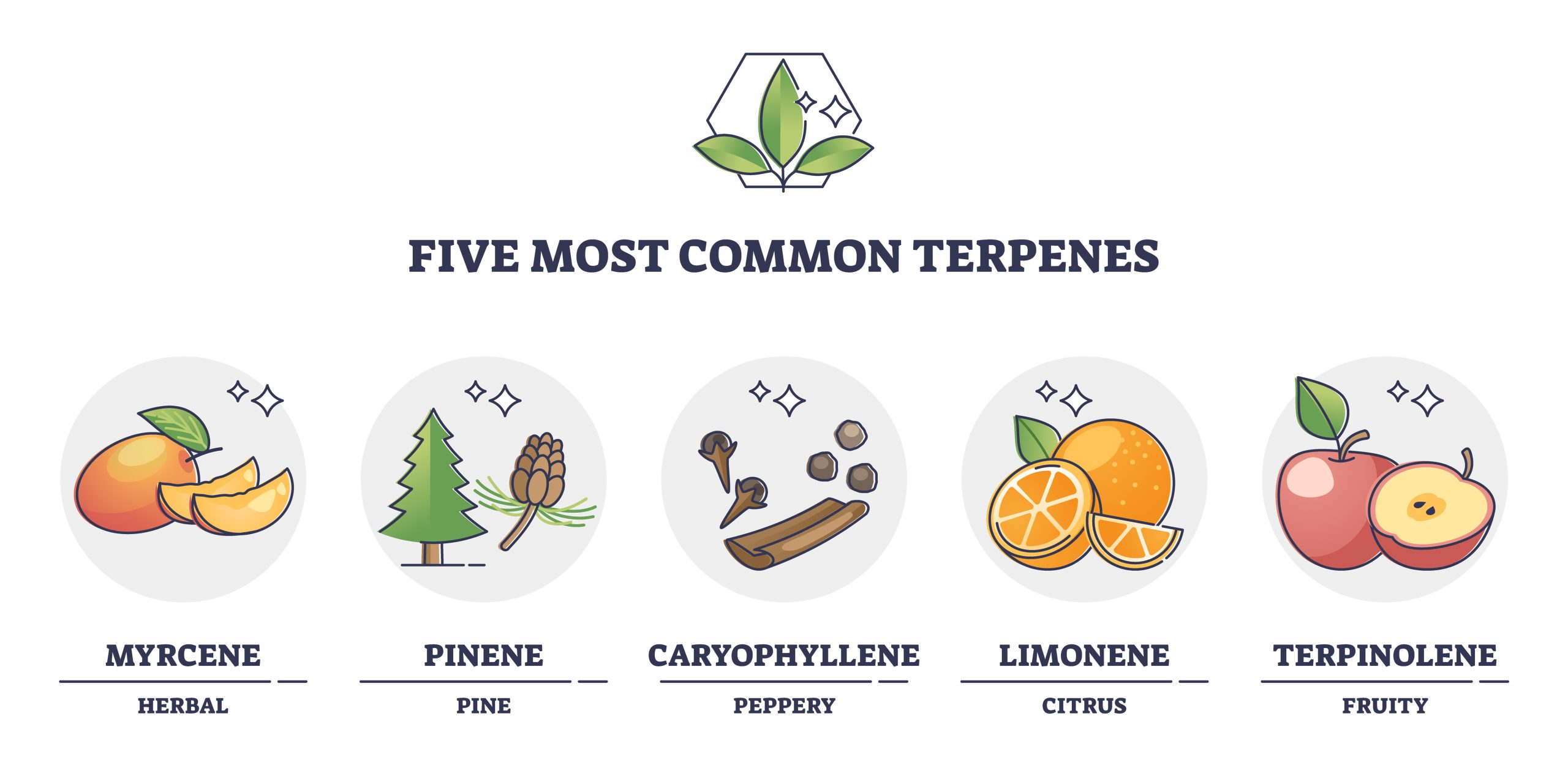
Let’s tour through the canvas of popular terpenes often making a starring appearance in cannabis. In our exploration of cannabis terpenes, three aromatic heavyweights often take center-stage: Myrcene, Limonene, and Pinene. They contribute significantly to the aromas and potential effects of various cannabis strains:
- Myrcene: Often described as earthy and herbal, Myrcene may lend a soothing quality to your experience, placing you in comfortable relaxation.
- Limonene: As the name hints, Limonene gives off a sparkling citrus scent. It may add a sprightly, uplifting note to your cannabis narrative.
- Pinene: Breathe in the fresh scent of pine forests with Pinene. It might sharpen your focus, keeping you alert and ready.
It’s crucial to note that the potential benefits and effects discussed above are not set in stone. Individual chemistry, the unique profile of each cannabis strain, and the dosage play pivotal roles in dictating how these terpenes interact with each individual. As our understanding evolves through research, we will likely discover more about the intricate dance of terpenes in the wonderful world of cannabis.
Highgrade Labs — Always Empowering Our Community With Canna-Knowledge
Finally, as you can see, cannabis terpenes narrate a tale much more profound than just flavors and smells in our cannabis. Research points to them playing an engaging role in our cannabis experiences. So next time you pick your cannabis product, beyond looking at just the cannabinoid content, lend your attention to terpenes as well.
In sharing this exploration into the world of terpenes, we uphold our commitment to providing accurate, valuable, and safe information to our readers. Our mission at Highgrade Labs is not just about cannabis testing, but rather about empowering our community with knowledge and understanding, highlighting the exciting world hidden within the cannabis plant, and its potential role in our lives. We take pride in our commitment to customer satisfaction, ensuring that we deliver information in a manner that’s digestible and approachable for all.
Stay tuned, stay engaged, and let’s explore this wonderful world of cannabis together!
The contents of this blog are intended for informational purposes only. Always seek the advice of a physician or other qualified healthcare provider with any questions you may have regarding a medical condition.
The post Cannabis Terpenes: Exploring Their Potential Benefits and Effects appeared first on Highgrade Labs.
]]>The post Why is Microbial Testing Important? appeared first on Highgrade Labs.
]]>Unseen but Significant: The World of Microbes
Before we delve deeper, let’s establish a basic understanding of what we’re dealing with–microorganisms. In the world of science, they’re often referred to as ‘microbes.’ These tiny forms of life are invisible to the naked eye but have a massive impact on all life forms, including humans and plants like cannabis.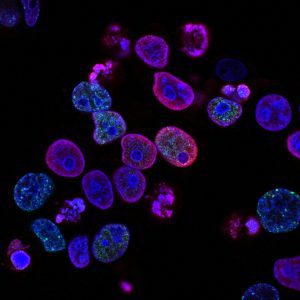
Microbes include bacteria, fungi, and viruses, and although many are benign, some can be detrimental to human health. These harmful microbes – pathogenic bacteria, destructive molds, and threatening viruses – can cause a variety of health concerns ranging from slight discomfort to severe illnesses.
Now, imagine these invisible invaders contaminating cannabis. A bit unnerving, right? This is where the complexity arises. Despite our best efforts, these pathogens can easily find their way into cannabis and contaminate it at various stages of the growth and production process, from the cultivation facilities to the very packaging of the end product.
For instance, in cultivation, poor sterilization practices or unsanitary conditions might create an environment conducive to fungal or bacterial growth on the plant. Or, during extraction and processing, contamination could result from unclean equipment. Even during packaging and storage, moisture and temperature changes could set the stage for these unseen threats to flourish.
Microbial Testing: A Protective Shield
Now, you might be wondering, if my cannabis product looks okay and smells okay, why should I worry? The reality is, just like an iceberg, the danger often lies beneath the surface, unseen. Invisible microbes can contaminate cannabis products, posing potential health risks that might emerge down the line.
To put things into perspective, consider this: If you were cooking dinner for a friend with a severe allergy to shellfish, wouldn’t you take every precaution to eliminate any trace of shellfish from your kitchen? Similarly, microbial testing eliminates unseen threat, particularly for medicinal cannabis consumers whose immune systems may not be at their strongest.
Whether you are a medicinal cannabis patient relying on cannabis for PTSD, a healthcare practitioner prescribing cannabis therapies, or a recreational user enjoying the therapeutic benefits of cannabis, it’s essential to be assured that the products you trust are indeed worthy of that trust.
And that’s precisely why we put such heavy emphasis on microbial testing at Highgrade Labs. It’s not just about fulfilling our scientific curiosity; it’s about safeguarding your health, providing you with accurate information, and ensuring that the cannabis industry as a whole maintains the highest standards of safety and integrity.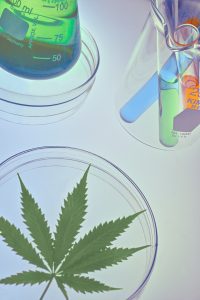
Tools of the Cannabis Lab Testing Trade
We employ cutting-edge technologies in our mission to provide you with safe, high-quality cannabis products – specifically designed for efficient microbial testing. With our enhanced capabilities, they give us detailed, accurate results that are vital in ensuring safety. With an exact quantification of any microbial contamination present—there’s no room for a guessing game in our lab!
Products Tested
- Flower
- Concentrates
- Infused Products
Highgrade Labs: Committed to Cannabis Product Safety
At Highgrade Labs, effective microbial testing is of prime significance. We like to think that we’re not only testing cannabis—we’re also cultivating trust. Be sure to stay tuned for more blog content regarding our services. Stay informed, stay safe, and let’s continue to explore this exciting world of cannabis together!
If you’re interested in learning more or starting a project with us, contact one of our teams:
*Always consult a physician before making any changes to your health or fitness regimen. *
The post Why is Microbial Testing Important? appeared first on Highgrade Labs.
]]>The post Cannabinoid Testing at Highgrade Labs appeared first on Highgrade Labs.
]]>At Highgrade Labs, we use our expertise and state-of-the-art technology to discover the secret power behind cannabinoids to help the cannabis industry reach new heights. In this blog, we’ll cover everything you need to know about cannabinoid testing and why it’s so important.
 Understanding Cannabinoids
Cannabinoids are like the superheroes of the cannabis universe, each with its unique set of powers and effects. These remarkable compounds interact with our bodies through the endocannabinoid system, influencing a wide range of functions like mood, pain, appetite, and more.
You might have heard of the dynamic duo – THC (tetrahydrocannabinol) and CBD (cannabidiol). First and foremost, THC, the life of the party, is responsible for that euphoric high you may associate with cannabis. However, on the other side of the spectrum, we’ve got CBD, more like the calming confidante, that is known for its potential relaxation and wellness benefits. But guess what? That’s not all. In addition to THC and CBD, there are up to 100 different cannabinoids found in cannabis, each boasting its own unique powers!
For instance, let’s consider CBG (cannabigerol). This lesser-known cannabinoid has been linked to potential anti-inflammatory and neuroprotective effects. Despite being less prominent, these minor cannabinoids like CBG play a critical role. They may act like sidekicks to the more notable THC and CBD, but they are just as important in contributing to the overall effect of the cannabis strain. In a world of different cannabinoids, each one brings something unique to the table, thus enriching your cannabis experience!
-
Δ9-Tetrahydrocannabinol (THC)
The most abundant cannabinoid found in marijuana, THC, is primarily responsible for the psychoactive and cerebral effects associated with cannabis. It’s celebrated for its antioxidant properties and has been known to alleviate neuropathic pain and potentially mitigate inflammation.
-
Tetrahydrocannabinolic Acid (THCA)
THCA is the preeminent cannabinoid in raw, unprocessed marijuana. With the application of heat through vaporization or combustion, it metamorphoses into Δ9-THC.
-
Tetrahydrocannabivarin (THCV)
THCV is primarily found in certain cannabis strains particularly cultivated in Africa. Much research is currently directed towards understanding its therapeutic properties, such as aiding in diabetes treatment, promoting bone growth, and suppressing appetite.
-
Cannabidiolic Acid (CBDA)
CBDA operates by selectively inhibiting certain bodily enzymes, a mechanism that supplements the anti-inflammatory characteristics of cannabis.
-
Cannabidiol (CBD)
As a compound that tempers the psychoactive effects of tetrahydrocannabinol and helps alleviate anxiety, CBD boasts significant therapeutic potential. It’s also been associated with inhibiting the proliferation of cancer cells.
-
Cannabichromene (CBC)
CBC is a compound demonstrating various medicinal potentialities such as promoting bone growth, reducing inflammation, offering pain relief, and restraining the spread of cancer cells, as per research.
-
Cannabinol (CBN)
CBN, present in negligible quantities in marijuana plants, serves as a mild agonist at CB1 and CB2 receptors. This makes CBN only moderately psychoactive and imparts a mild sedative effect.
-
Cannabigerol (CBG)
CBG, which lacks psychoactive effects, has been reported to demonstrate anti-inflammatory, antibacterial, and even anti-cancer properties.
-
Cannabidivarin (CBDV)
While research on CBDV is in its initial stages, early studies suggest that it could help manage and control seizures in patients with epilepsy.
 The Importance of Cannabinoid Testing
Next, imagine ordering your favorite coffee and receiving an indeterminate “some coffee” instead. Frustrating, right? Well, the same goes for cannabinoids. It’s not just about getting what you paid for; it’s about understanding what you’re putting into your body.
Additionally, having reliable information about the cannabinoid content helps consumers make informed choices. Whether you’re seeking relaxation, pain relief, or a little burst of energy, you deserve to know exactly what’s in that delightful little package.
Inaccurate cannabinoid labeling isn’t just a minor hiccup; it can be a serious concern. Incorrect THC levels could lead to unexpectedly intense highs or unwanted side effects. That’s not the kind of surprise anyone signs up for. Plus, regulators have a keen eye on accurate labeling to ensure products meet safety and legal standards.
Accurate cannabinoid testing is like the compass that guides us through the world of cannabis. It’s a way to ensure that what we’re indulging in is safe, reliable, and aligned with our expectations.
Cannabinoid Testing Process at Highgrade Labs
Furthermore, how exactly do we perform cannabinoid testing? Let’s go through a step-by-step process of how we do things around here:
- Sample Collection and Preparation: We start things off by collecting a small sample of the cannabis product in question. This could be a flower, an oil, a tincture, or any other form. Once we have our sample, we take extra care in preparing it for testing. Proper preparation also ensures we get a representative sample that reflects the product’s cannabinoid composition.
- Extraction: Let’s get to the nitty-gritty of cannabinoid extraction. We use cutting-edge techniques to extract the cannabinoids from the sample carefully. This step requires precision, as the extraction method can also impact the accuracy of the final results. Our experienced technicians handle this with finesse to ensure we get the good stuff.
- Chromatography Magic: Chromatography might sound like a complicated term, but think of it as the magic that separates the cannabinoids from the rest of the components. We employ high-performance liquid chromatography (HPLC) or gas chromatography (GC) to achieve this separation. Therefore, this process is like giving each cannabinoid its moment to shine, allowing us to analyze them individually.
- Quantification and Analysis: Here’s where the real numbers come into play. Each separated cannabinoid gets its concentration quantified. We’re talking about accurately measuring the amount of THC, CBD, CBG, and other cannabinoids. Our top-notch instruments and meticulous procedures ensure that the results you receive are as accurate as possible.
- Data Interpretation and Reporting: We don’t just stop at numbers; we also believe in the power of meaningful interpretation. Our experts analyze the data obtained and put it into context. Consequently, this step is where science meets practicality. Once we’ve got a clear picture, we compile a comprehensive report that highlights the cannabinoid composition of your product. You can also think of it as your product’s cannabinoid ID card.
- Quality Assurance Check: We’re all about double-checking. Before finalizing anything, our quality assurance team gives the results a thorough review. This ensures that everything is in order and you’re getting information you can trust.
- Reporting: Ta-da! Your cannabinoid testing journey concludes with us delivering the results right into your hands. Our user-friendly reports break down the cannabinoid profile in an easy-to-understand manner. You’ll know exactly what’s in your product and can make informed decisions based on the data.
Consider our virtual tour of Highgrade Labs completed. From collecting samples to delivering accurate results, we’re committed to ensuring you have the insights you need.
Highgrade Labs: Your Confidant in Cannabinoid Testing
Finally, if you’re looking for expert-level cannabinoid testing, look no further than Highgrade Labs. With a blend of expertise, state-of-the-art technology, and a passion for accuracy, we stand as your confidant in unraveling the complexities of cannabis composition. Our meticulous step-by-step process, from precise sample preparation to insightful data reporting, ensures you receive the most reliable product results.
And, lucky for you, we are located across the United States! If you’re interested in learning more or starting a project with us, contact one of our teams:
Want to learn more about what we do at Highgrade Labs? Check out our previous blog on terpene profiling!
*Always consult a physician before making any changes to your health or fitness regimen. *
The post Cannabinoid Testing at Highgrade Labs appeared first on Highgrade Labs.
]]>The post PTSD & Medical Marijuana: Notable Studies appeared first on Highgrade Labs.
]]>The prevalence of PTSD emphasizes the urgent need for effective treatment options to alleviate its impact on individuals and communities. In this blog, we will delve into the significance of notable studies on PTSD and medical marijuana.
 Intro to Medical Marijuana
Medical marijuana, also known as medical cannabis, refers to the use of the cannabis plant for medicinal purposes. The two primary cannabinoids in medical marijuana are tetrahydrocannabinol (THC) and cannabidiol (CBD). THC is responsible for the psychoactive effects often associated with cannabis, while CBD is non-psychoactive and has garnered attention for its potential physical benefits.
The cannabinoids in medical marijuana interact with the body’s endocannabinoid system, a complex network of receptors responsible for keeping the body’s systems regulated. By targeting specific receptors in the brain and body, cannabinoids can influence the functioning of the nervous and immune systems, leading to potential therapeutic effects such as stress and anxiety relief, pain management, sleep improvement, and mood stabilization.
Notable Studies on PTSD & Medical Marijuana
In recent years, there has been a growing interest in exploring the potential of medical marijuana as a treatment for PTSD. Several clinical trials and research studies have been conducted to investigate its efficacy, safety, and mechanisms of action.
Researchers have examined various aspects, such as the optimal dosage and administration methods, the specific cannabinoids that may be most effective, and the potential long-term effects of medical marijuana for PTSD management. By assessing both short-term and long-term outcomes, these studies contribute valuable insights into medical marijuana’s potential in PTSD treatment:
- The hallmark symptom of PTSD is increased fear and anxiety in stressful situations. Researchers from Wayne State University in Detroit, MI, studied the effects of cannabis on the amygdala, which is the part of the brain responsible for processing emotions, particularly fear and threat-related responses.
Researchers gathered a group of 71 participants: one group with no history of trauma, one group with a history of trauma and PTSD, and one group with a history of trauma but no PTSD. The randomized, double-blind study gave half of the participants a low dose of THC and the other half a placebo. They were exposed to threatening stimuli, and the researchers studied the amygdala response. In all three groups, those who took a low dose of THC were found to have reduced fear and anxiety, indicating that a low dose of THC may lower fear and anxiety in those with PTSD.
- Another typical symptom that significantly impacts those with PTSD is sleep disturbances. A study published in the Journal of Anxiety Disorders looked at the effects of THC on sleep disturbances in those with PTSD. For two weeks, 77 participants self-reported their sleep using a daily diary.
Researchers found that those who used medical marijuana closer to when they went to sleep were less likely to have nightmares. Additionally, they found that those using medical marijuana with higher concentrations of CBD were less likely to experience early awakenings. This study indicates the potential of medical marijuana to relieve sleep-related symptoms in those with PTSD.
- However, just like all medications, dosing is incredibly crucial when it comes to the efficacy of medical marijuana in the treatment of PTSD. A clinical review of peer-reviewed studies and randomized control trials dated 1974 to 2020 studied the effects of medical marijuana on aversive memories and anxiety.
They found that those with PTSD who used low doses of medical marijuana (≤7.5 mg) had reduced anxiety responses with no psychotic effects. However, high doses of THC (≥10%) did not reduce fear responses and actually increased anxiety and psychotic responses in health volunteers. This discrepancy in dosing is important to note, as most dispensaries only offer products starting at 15% THC, reaching up to 65-90%.
Future Directions & the Need for More Research
Despite the promising findings regarding medical marijuana as a potential treatment for PTSD, significant gaps in our current understanding require further investigation. Some critical areas for future study include optimal dosage and administration, long-term safety and side effects, specific cannabinoids and potency, and interactions with traditional treatments.
Tailoring medical marijuana therapies to match the unique needs and responses of patients with PTSD can lead to better outcomes and minimize potential adverse effects. Additionally, advancements in personalized medicine may help identify individuals who are more likely to respond positively to medical marijuana, enabling more targeted and efficient treatment strategies.
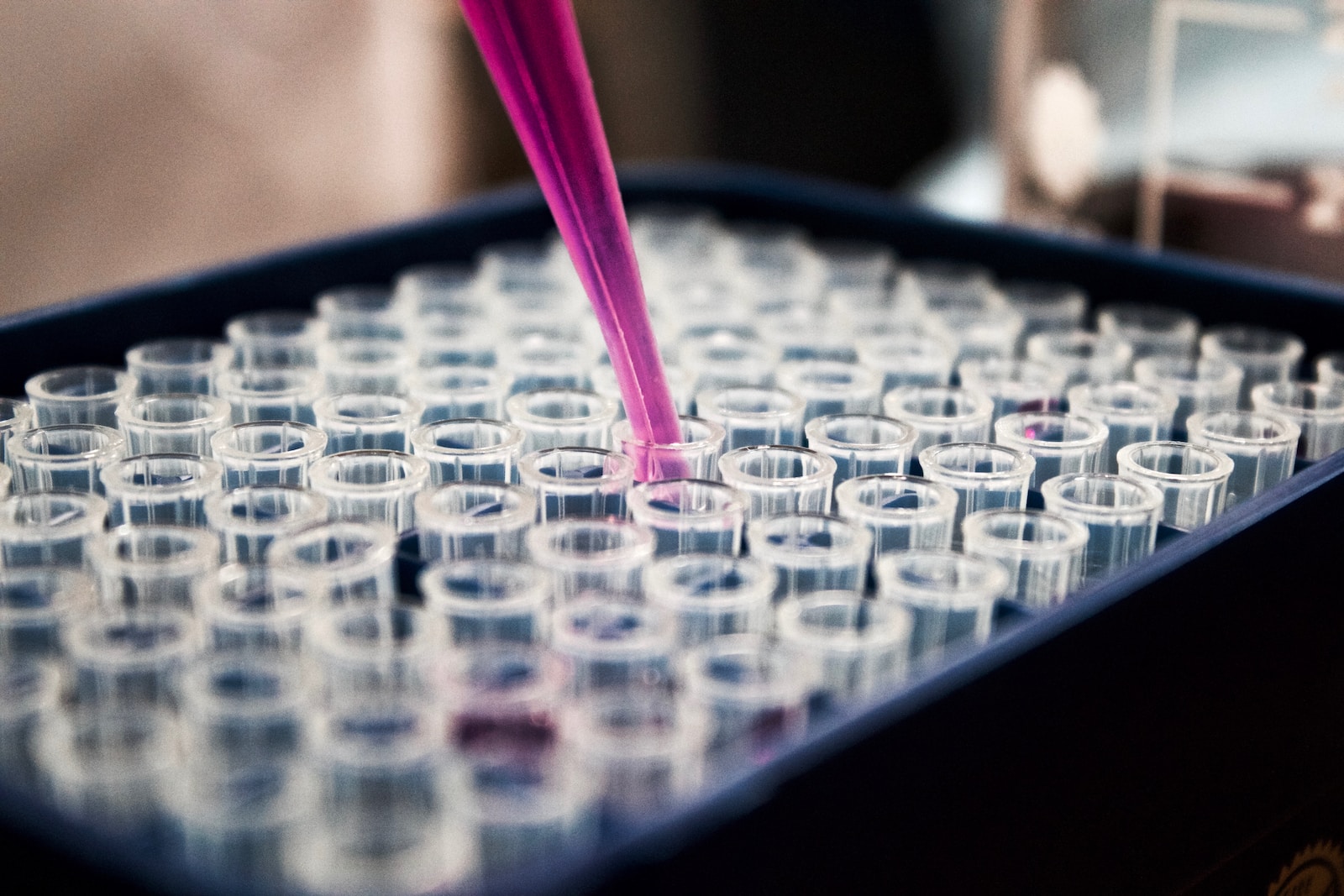 Highgrade Labs Cannabis Testing Facility — Always Supporting an Evidence-Based Approach to Natural Wellness
Overall, the future of medical marijuana as a treatment for PTSD depends on continued research efforts. Addressing existing gaps in knowledge, conducting rigorous studies, and embracing personalized medicine will pave the way for a more comprehensive understanding of medical marijuana’s potential benefits for those living with PTSD.
By prioritizing research and adopting an evidence-based approach, we can unlock the full therapeutic potential of medical marijuana while ensuring its safe and effective integration into natural wellness practices.
For all the latest regarding our hemp and cannabis lab testing services, be sure to connect with us on our various social media channels! (Facebook, YouTube, LinkedIn, Instagram)
*Always consult a physician before making any changes to your health or fitness regimen.
The post PTSD & Medical Marijuana: Notable Studies appeared first on Highgrade Labs.
]]>The post Cannabis Compliance & Lab Testing in Oklahoma: What You Need to Know appeared first on Highgrade Labs.
]]>
Oklahoma Medical Marijuana Authority (OMMA)
In 2018, Oklahoma voters approved State Question 788, which legalized medical cannabis for qualifying patients in the state. The Oklahoma Medical Marijuana Authority (OMMA) was established to oversee the state’s medical cannabis program, including the licensing of businesses and the registration of patients and caregivers.
Patient & Caregiver Registration
To become a registered medical cannabis patient or caregiver in Oklahoma, individuals must apply through the OMMA website. The application process requires the submission of a physician’s recommendation, proof of Oklahoma residency, and a valid ID.
Patients must be at least 18 years old, or they can have a designated caregiver if they are under 18. Caregivers must be at least 18 years old and can only serve one patient at a time. The application fee for both patients and caregivers is $100, with a reduced fee of $20 for individuals on Medicaid or Medicare.
Business Licensing Requirements
Oklahoma has a relatively open market for medical cannabis businesses, with no caps on the number of licenses issued for dispensaries, growers, and processors. However, there are strict regulations and requirements that businesses must meet to maintain compliance with OMMA regulations:
 Dispensaries
 must obtain a license from the OMMA and renew it annually. They are required to implement an inventory tracking system, verify the validity of patient and caregiver licenses, and ensure that all products are properly labeled and tested. Dispensaries must also maintain strict security measures, including video surveillance and alarm systems.
Growers & Processors
Growers and processors must also obtain a license from the OMMA and renew it annually. They are required to track all plants and products, maintain proper waste disposal procedures, and ensure that all products are tested for safety and potency by a licensed laboratory. Additionally, growers and processors must adhere to strict security and record-keeping requirements.
Compliance with Testing & Labeling Requirements
All medical cannabis products sold in Oklahoma must be tested by a licensed laboratory to ensure safety and potency. Products must be tested for cannabinoid content, heavy metals, pesticides, and other contaminants. Once tested, products must be labeled with the following information:
- The name of the product
- The name and license number of the grower or processor
- The batch number
- The date of harvest or processing
- The cannabinoid profile, including THC and CBD content
- A statement that the product has been tested for contaminants
 Highgrade Labs — Trusted Cannabis & Hemp Lab Testing Services
At Highgrade Labs, we understand the critical role that accurate and reliable lab testing plays in the cannabis and hemp industries. As a producer or distributor, ensuring the quality, safety, and compliance of your products is not only essential for your business’s success but also for the well-being of your consumers.
First and foremost, a reliable lab testing service can provide you with accurate results that help you maintain compliance with state and federal regulations. As the cannabis industry continues to evolve, regulatory bodies have established strict guidelines for the testing and labeling of cannabis products.
These guidelines are designed to ensure that products are free from harmful contaminants, such as pesticides, heavy metals, and residual solvents, and that they accurately display their cannabinoid content. By partnering with a trusted lab testing company, you can have confidence that your products meet these stringent requirements, reducing the risk of costly fines or even product recalls.
Secondly, working with a reputable lab testing service can help you build trust and credibility with your customers. As the cannabis market becomes more competitive, consumers are increasingly seeking products that have been thoroughly tested and verified for quality and safety.
By showcasing that your products have been tested by a trusted lab, you can demonstrate your commitment to transparency and consumer safety. This can help you stand out from the competition and foster long-lasting relationships with your customers.
Finally, choosing a trusted lab testing company can help you optimize your products and processes. At Highgrade Labs, we go beyond simply providing test results; we work closely with our clients to help them understand the data and make informed decisions about their products. This collaborative approach can lead to improved product formulations, more efficient production processes, and ultimately, higher-quality cannabis products for your customers.
By choosing a trusted lab testing partner, you are investing in the success and growth of your business!
We’re Now Offering Free Delivery to Highgrade Testing Labs powered by Stronghold Protection Group.
Check out our new Pickups page & select your county to begin! — Pickups: Oklahoma | Highgrade Labs
Connect with us on our various social media channels for all the latest Highgrade updates! (Facebook, YouTube, LinkedIn, Instagram)
The post Cannabis Compliance & Lab Testing in Oklahoma: What You Need to Know appeared first on Highgrade Labs.
]]>The post Does Cannabis Have Neuroprotective Properties? appeared first on Highgrade Labs.
]]>Here at Highgrade Labs, we believe in the power of cannabis education and its ability to help remove the stigma. In this blog, we are going to discover how cannabis interacts with the body and how potential neuroprotective properties can help us.
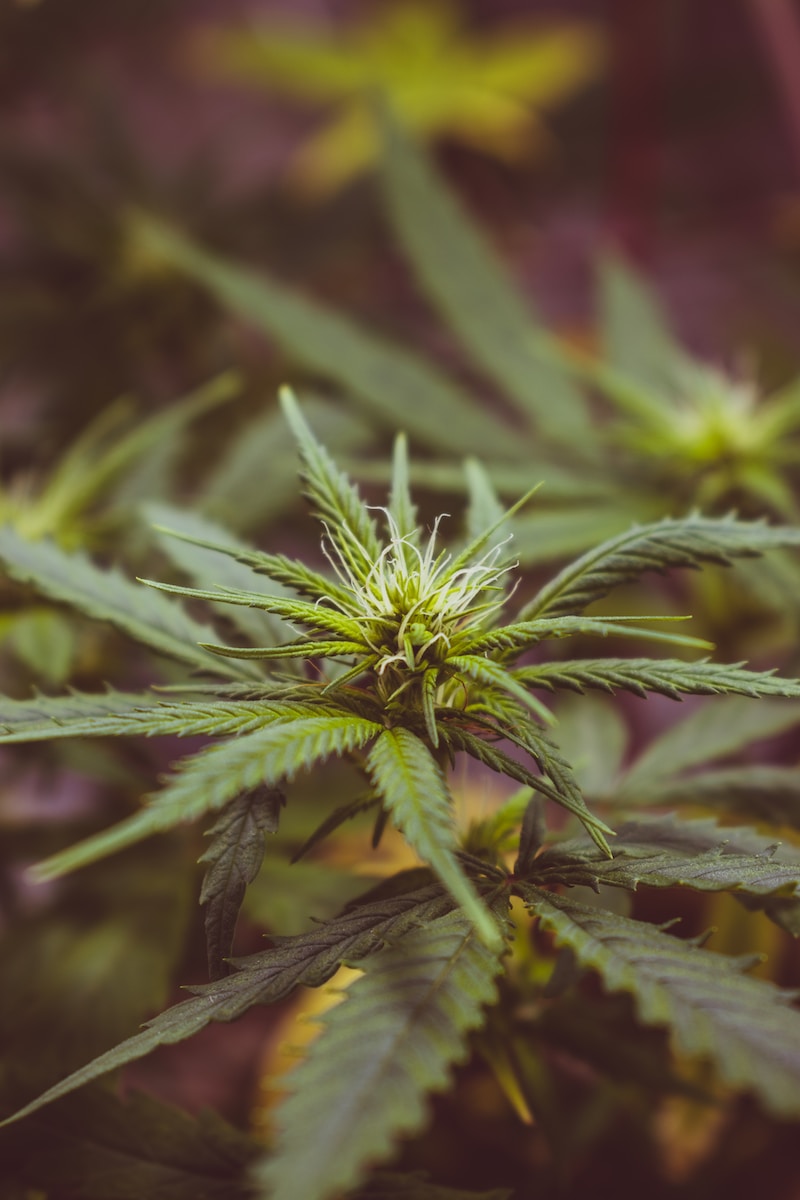 How does cannabis interact with the body?
Cannabinoids are chemical compounds found in cannabis plants. They can also be produced naturally within the human body, and those cannabinoids are called endocannabinoids. The endocannabinoid system, composed of receptors, enzymes, and endocannabinoids, helps regulate various bodily processes, including mood, pain perception, appetite, and immune function.
Cannabinoids interact with these receptors, influencing the endocannabinoid system’s activity. Basically, cannabinoids can act as on and off switches of the endocannabinoid system.
Two of the most well-known cannabinoids are delta-9-tetrahydrocannabinol (THC) and cannabidiol (CBD). THC is primarily responsible for the psychoactive effects associated with cannabis use. On the other hand, CBD is non-intoxicating and has gained attention for its potential therapeutic properties.
While THC and CBD are the most studied cannabinoids, there are many others, such as cannabinol (CBN), cannabigerol (CBG), and tetrahydrocannabivarin (THCV), each with its unique properties and potential benefits.
What are neuroprotective properties?
Neuroprotection plays a vital role in maintaining the health and functionality of the nervous system. Neuroprotection refers to the preservation and defense of neurons, the building blocks of the nervous system, from damage, degeneration, or dysfunction. Neuroprotection aims to prevent or minimize the loss of neurons as well as preserve their structure and function. By doing so, it helps to maintain optimal brain health and cognitive abilities.
When a compound has neuroprotective properties, it means that it has the potential to slow the progression of various neurological disorders, enhance recovery after injury, and improve overall neurological outcomes. Examples of neurological diseases that would benefit from neuroprotective properties include Alzheimer’s, Parkinson’s, stroke, multiple sclerosis (MS), and traumatic brain injury (TBI).
Does cannabis have neuroprotective properties?
Cannabis has been a subject of interest in the realm of neuroprotection, with preclinical and human studies shedding light on its potential therapeutic properties. Let’s explore:
Animal & Laboratory Studies
- Preclinical studies involving animals and laboratory models have provided valuable insights into the potential neuroprotective effects of cannabis. Researchers have examined the impact of cannabinoids, such as THC and CBD, on various aspects of neuroprotection.
- These studies have explored the role of cannabinoids in reducing inflammation, reducing oxidative stress (a cellular imbalance of free radicals), and addressing neurodegenerative diseases. Findings suggest that cannabinoids may hold promise in protecting neurons from damage and promoting overall brain health.
- Animal and laboratory studies have yielded encouraging results regarding the potential of cannabis in reducing inflammation and oxidative stress, both of which play significant roles in neurodegenerative diseases. Cannabinoids have shown promise in reducing inflammatory responses and limiting the production of free radicals, thus potentially mitigating damage to neurons.
- Additionally, research has highlighted the potential of cannabinoids in addressing neurodegenerative diseases such as Alzheimer’s and Parkinson’s, offering hope for disease management and progression.
- While preclinical studies provide valuable insights, it is crucial to acknowledge the limitations and challenges in translating these findings to human use. Factors such as differences in physiology, metabolism, and drug interactions need to be carefully considered.
- Moreover, preclinical studies often involve higher doses of cannabinoids, which may not be applicable or safe for human use. Additionally, the complexity of neurodegenerative diseases requires comprehensive and rigorous clinical investigations to determine the efficacy, safety, and optimal dosages of cannabis-based interventions.
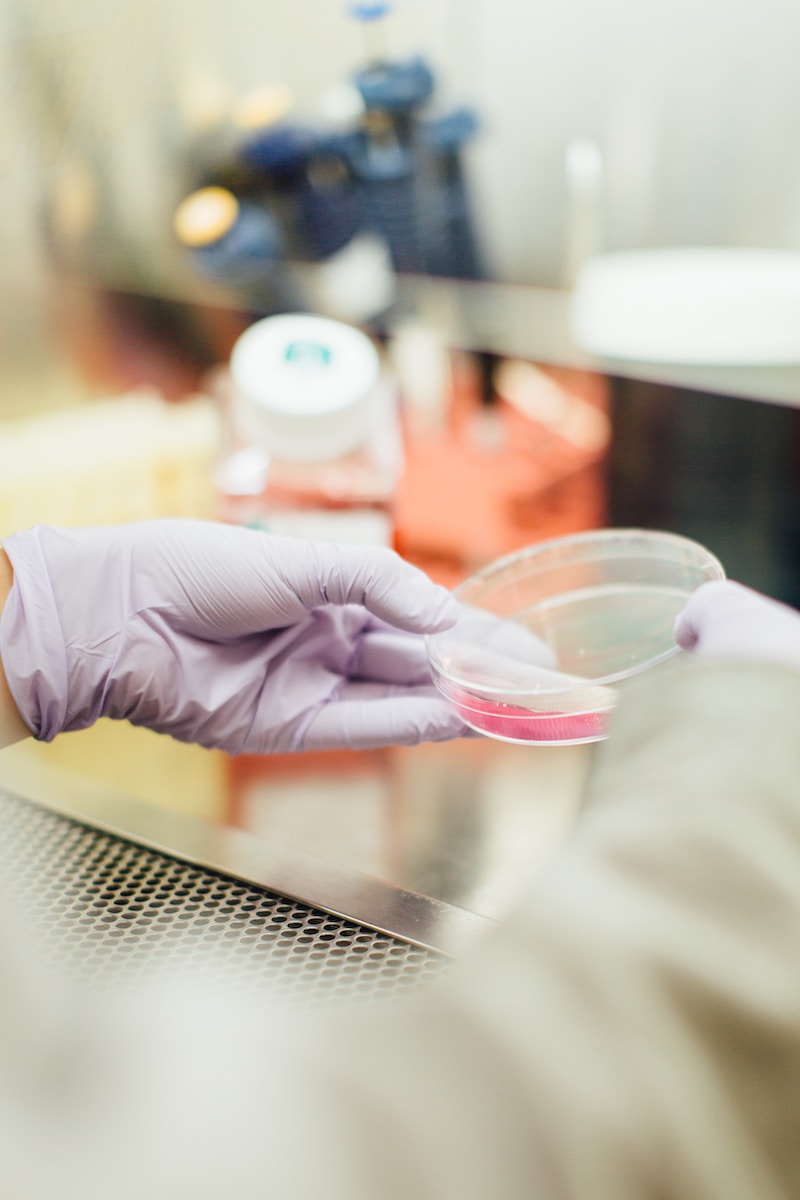 Human Studies
- Moving from preclinical studies to human research, numerous studies have explored the neuroprotective effects of cannabis. These investigations have focused on conditions such as epilepsy, multiple sclerosis (MS), Alzheimer’s, and Parkinson’s disease.
- Some studies have demonstrated positive outcomes, indicating the potential benefits of cannabis in reducing seizure frequency, reducing spasticity and pain in multiple sclerosis, and alleviating symptoms in neurodegenerative diseases.
- Notably, CBD-based medications have gained regulatory approval for specific forms of epilepsy, highlighting the clinical use of cannabis-derived compounds.
- CBD-based medications have emerged as a significant development in the field of neuroprotection. These medications, derived from cannabis or hemp, have been approved by regulatory authorities for the treatment of specific neurological conditions.
- For instance, CBD-based drugs have shown efficacy in reducing seizures in severe forms of epilepsy such as Dravet syndrome and Lennox-Gastaut syndrome. These approvals highlight the potential of cannabis-derived compounds as targeted therapeutic options in the realm of neuroprotection.
These studies show promising potential for neuroprotective properties in cannabis; however, it is essential to continue conducting comprehensive clinical trials to establish the safety, efficacy, and optimal dosing of cannabis-based interventions.
Highgrade Labs — Providing Cannabis Knowledge & Unmatched Cannabinoid Lab Testing Services
Cannabinoids, with their interaction with the endocannabinoid system, offer a fascinating avenue for potential neuroprotective effects. While THC and CBD are the most widely studied cannabinoids, ongoing research explores the properties of other cannabinoids. However, it is essential to approach this topic with caution and rely on evidence-based research.
Further studies are needed to fully understand the mechanisms and therapeutic potential of cannabinoids for neuroprotection. With continued research and exploration, cannabinoids may hold promise as a novel approach to promoting brain health and protecting against neurological conditions, enhancing individuals’ quality of life, and bringing hope to individuals affected by neurological disorders.
Want to learn more about how cannabis interacts with the body? Check out our blogs on the entourage effect and cannabis and Parkinson’s Disease. Connect with us on our various social media channels for all the latest Highgrade updates! (Facebook, YouTube, LinkedIn, Instagram)
*Always consult a physician before making any changes to your health or fitness regimen.
The post Does Cannabis Have Neuroprotective Properties? appeared first on Highgrade Labs.
]]>The post The Importance of Cleanliness in Cannabis Cultivation appeared first on Highgrade Labs.
]]>
Cannabis Health & Safety Concerns
Cleanliness can affect the health and safety of the cultivators, consumers, and the plant itself. Let’s get right into the specifics:
Potential hazards of unclean cannabis cultivation:
Unclean cannabis cultivation can create several hazards, but here are just a few examples of the most prevalent:
- Pesticides and other chemicals: Cannabis plants are often treated with pesticides and other chemicals to protect them from pests and diseases. However, these chemicals can harm the plants and the people who work with them.
- Mold and mildew: Cannabis plants are susceptible to mold and mildew, which can produce harmful toxins.
- Waterborne pathogens: Cannabis plants are grown in water, which can be contaminated with bacteria, viruses, and other pathogens.
- Bacteria and viruses: Unclean growing conditions can lead to the growth of bacteria and viruses on the cannabis plants.
- Heavy metals: Cannabis plants can absorb heavy metals from the soil, which can accumulate in the plant material.
Quality Control
Most importantly, a lack of cleanliness can create health hazards, but secondarily, it can affect the quality of the cannabis you are working so hard to grow. Some ways that cleanliness can improve quality include:
- Preventing contamination: A clean environment can prevent the growth of mold, bacteria, and other contaminants that can impact the quality of cannabis.
- Maintaining potency: Cleanliness can help maintain the potency of the cannabis plant by preventing the growth of contaminants that can impact its chemical composition.
- Enhancing flavor and aroma: Cleanliness can help preserve the flavor and aroma of cannabis by preventing contamination and maintaining freshness.
- Meeting regulatory requirements: Cleanliness is often a requirement for compliance with regulatory standards for cannabis cultivation and processing.
- Protecting consumer health: Cleanliness is essential in ensuring that the final product is safe for consumption and does not pose any health risks to consumers.
Compliance & Regulations
If nothing else compels you to keep your cannabis cultivation clean, there are laws and regulations in place that require you to adhere to certain guidelines when growing cannabis.
These regulations vary by state and county, but some common legal requirements include obtaining a license, following specific cultivation and processing methods, and testing for contaminants such as pesticides, heavy metals, and microorganisms.
In addition, regulatory bodies often require growers to maintain a clean and sanitary environment during cultivation and processing to prevent contamination and ensure product quality.
Best Practices for Cleanliness in Cannabis Cultivation
Now that we’ve covered why you should incorporate cleanliness in your cannabis cultivation, let’s talk about how you can do that.
Cleaning and sanitation procedures:
- Establishing standard operating procedures (SOPs) for cleaning and sanitation.
- Using cleaning and disinfectant products that are safe for use on cannabis and that meet regulatory requirements.
- Developing a cleaning schedule that addresses all areas of the cultivation facility, including equipment, tools, and surfaces.
- Regularly testing surfaces and equipment for contaminants to ensure that cleaning procedures are effective.
- Documenting all cleaning and sanitation procedures to demonstrate compliance with regulatory requirements.
Preventative measures:
- Implementing pest management strategies to prevent pests from entering the facility and damaging the plants.
- Establishing strict protocols for visitors and employees, including the use of personal protective equipment (PPE) and hand hygiene practices.
- Monitoring and controlling environmental conditions such as temperature, humidity, and ventilation to prevent the growth of mold and bacteria.
- Using water treatment systems to ensure that the water used for cultivation and processing is free from contaminants.
- Conducting regular audits and inspections to identify potential areas for contamination and implementing corrective actions to address them.
Staff training & education:
- Providing comprehensive training on cleaning and sanitation procedures, including the use of cleaning and disinfectant products.
- Providing regular refresher training on cleaning and sanitation procedures.
- Ensuring that all employees are aware of the importance of cleanliness in cannabis cultivation and the potential consequences of non-compliance.
- Providing training on the use of PPE and hand hygiene practices.
- Encouraging employees to report any potential issues or concerns related to cleanliness and contamination.
Highgrade Labs: Removing the Guesswork from Cannabis & Hemp Testing!
Cleanliness in cannabis cultivation is essential to prevent harm to the plants and people who are involved. Additionally, it helps improve the quality of the resulting products and keep growers on the good side of state regulations.
Highgrade Labs specializes in several processes in testing cannabis, including myotoxins and mold.
Want to learn more about what we do? Click here to learn more about our services and make sure to keep up with our blog.
The post The Importance of Cleanliness in Cannabis Cultivation appeared first on Highgrade Labs.
]]>